

Over 70% of active casino players consider Return to Player (RTP) and volatility as crucial factors when choosing online casino games. But what do these terms really mean, and how do they impact the gaming experience? In this article, we’ll delve into the world of RTP and volatility, exploring their significance and how they can influence your chances of winning. You can find more information about casino games and their mechanics at you can find it here, where experts provide insights into the latest trends and strategies.
For instance, a game with a high RTP, such as Blackjack, which has an average RTP of 98.5%, may offer better returns over time. However, the actual RTP can vary significantly in the short term due to the random nature of casino games. Understanding these concepts can help players make informed decisions and develop effective strategies to manage their bankrolls and maximize their winnings.
Introduction to Casino Game Mechanics
Casino games are designed with various mechanics to ensure player engagement and fair play. Two crucial concepts in this context are Return to Player (RTP) and volatility. RTP, or Return to Player, is a percentage that indicates how much of the money put into a slot or other casino game will be paid out as winnings over time. It’s a statistical measure that helps players understand their potential returns. Volatility, also known as variance, refers to the risk involved in playing a particular game.
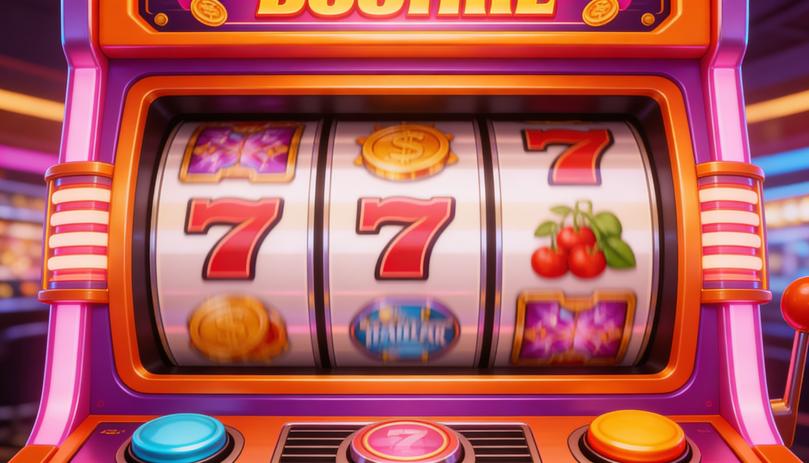
For example, a game like Starburst, which has a high RTP of 96.09%, may offer more frequent wins, but with lower payouts. On the other hand, a game like Mega Moolah, which has a lower RTP of 88.12%, may offer less frequent wins, but with much higher payouts. Understanding the RTP and volatility of a game can help players choose games that fit their risk tolerance and playing style.
What is RTP in Casino Games?
RTP is a critical factor in determining the potential returns of a casino game. It’s essential to understand that RTP is a long-term statistical measure, and actual returns may vary significantly in the short term. The following table illustrates the average RTP for different types of games:
| Game Type | Average RTP | High RTP Example | Low RTP Example |
|---|---|---|---|
| Slots | 95% | 98% | 90% |
| Blackjack | 98.5% | 99.5% | 96% |
| Roulette | 97.3% | 98.6% | 94.7% |
As seen in the table, slots have an average RTP of 95%, with some games like Gonzo’s Quest offering a high RTP of 96%. Blackjack, on the other hand, has an average RTP of 98.5%, with some variations like Blackjack Switch offering a high RTP of 99.5%.
Understanding Volatility in Casino Games
Volatility, or variance, refers to the risk involved in playing a particular game. It measures how often and how much a game pays out. Games with high volatility may offer larger but less frequent payouts, while low volatility games offer smaller, more frequent wins. High volatility games are suited for players who are willing to take more risk for the chance of bigger rewards.
For example, a game like Dead or Alive, which has a high volatility, may offer larger payouts, but with less frequency. On the other hand, a game like Twin Spin, which has a low volatility, may offer smaller payouts, but with more frequency. Understanding the volatility of a game can help players manage their bankrolls and develop effective strategies to maximize their winnings.
High Volatility Games
High volatility games are designed for players who are willing to take more risk for the chance of bigger rewards. These games often have fewer but larger payouts, making them ideal for players who are looking for a big win. However, high volatility games can also result in significant losses if players are not careful with their bankrolls.
Games like Mega Moolah and Major Millions, which are known for their high volatility, may offer life-changing jackpots, but with less frequency. Players who choose to play high volatility games should be prepared for the risk and have a solid understanding of the game mechanics and strategies.
Low Volatility Games
Low volatility games, on the other hand, are suited for players who prefer more frequent, smaller wins. These games are ideal for managing bankrolls and enjoying longer play sessions. Low volatility games often have more frequent payouts, but with smaller amounts, making them perfect for players who are looking for a more consistent gaming experience.
Games like Starburst and Gonzo’s Quest, which have a low volatility, may offer more frequent wins, but with smaller payouts. Players who choose to play low volatility games should be prepared for the lower payouts and have a solid understanding of the game mechanics and strategies.
How RTP and Volatility Affect Gameplay
The combination of RTP and volatility significantly affects the gameplay experience and player strategy. Understanding these concepts can help players choose games that fit their preferences and risk tolerance. For example, a game with a high RTP and low volatility may offer more frequent wins, but with smaller payouts, making it ideal for players who are looking for a more consistent gaming experience.
On the other hand, a game with a low RTP and high volatility may offer larger payouts, but with less frequency, making it ideal for players who are willing to take more risk for the chance of bigger rewards. By understanding the RTP and volatility of a game, players can develop effective strategies to manage their bankrolls and maximize their winnings.
Strategies for Different RTP and Volatility Levels
Players can adopt various strategies based on the RTP and volatility of a game. For high RTP games, maximizing bets can lead to higher returns, while in high volatility games, managing bankroll is key to avoiding significant losses. In low volatility games, players can adopt a more aggressive betting strategy, while in low RTP games, players should be more cautious with their bets.
For example, in a game like Blackjack, which has a high RTP, players can maximize their bets to increase their chances of winning. However, in a game like Roulette, which has a lower RTP, players should be more cautious with their bets and manage their bankrolls carefully.
Author
Rania Saleh is an expert in mobile casino apps and cross-device play, with a deep understanding of the online gaming industry and its trends. With years of experience in analyzing and reviewing online casino games, Rania provides valuable insights into the world of online gaming.
FAQ
What is the difference between RTP and volatility?
RTP (Return to Player) is the percentage of money that a game pays back to players over time, while volatility (or variance) refers to the risk and frequency of payouts in a game.
How do I choose a game based on RTP and volatility?
Choose games that fit your risk tolerance and playing style. High RTP games offer better returns over time, while low volatility games provide more frequent wins.
Can RTP and volatility change in a game?
While the theoretical RTP of a game remains constant, the actual RTP and perceived volatility can vary significantly in the short term due to the random nature of casino games.