

The psychology behind risk-taking in gambling environments
The allure of risk and excitement
Risk-taking in gambling environments can be attributed to the inherent thrill associated with uncertainty. Gamblers often find themselves drawn to the adrenaline rush that accompanies placing a bet. This excitement stems from the possibility of winning large sums of money, which can trigger the brain’s reward system. As individuals engage in these high-stakes situations, their bodies release dopamine, a neurotransmitter linked to pleasure, reinforcing the behavior and making it addictive. For an exciting experience, many players turn to https://dudespin-canada.com/ for top casino games to try.
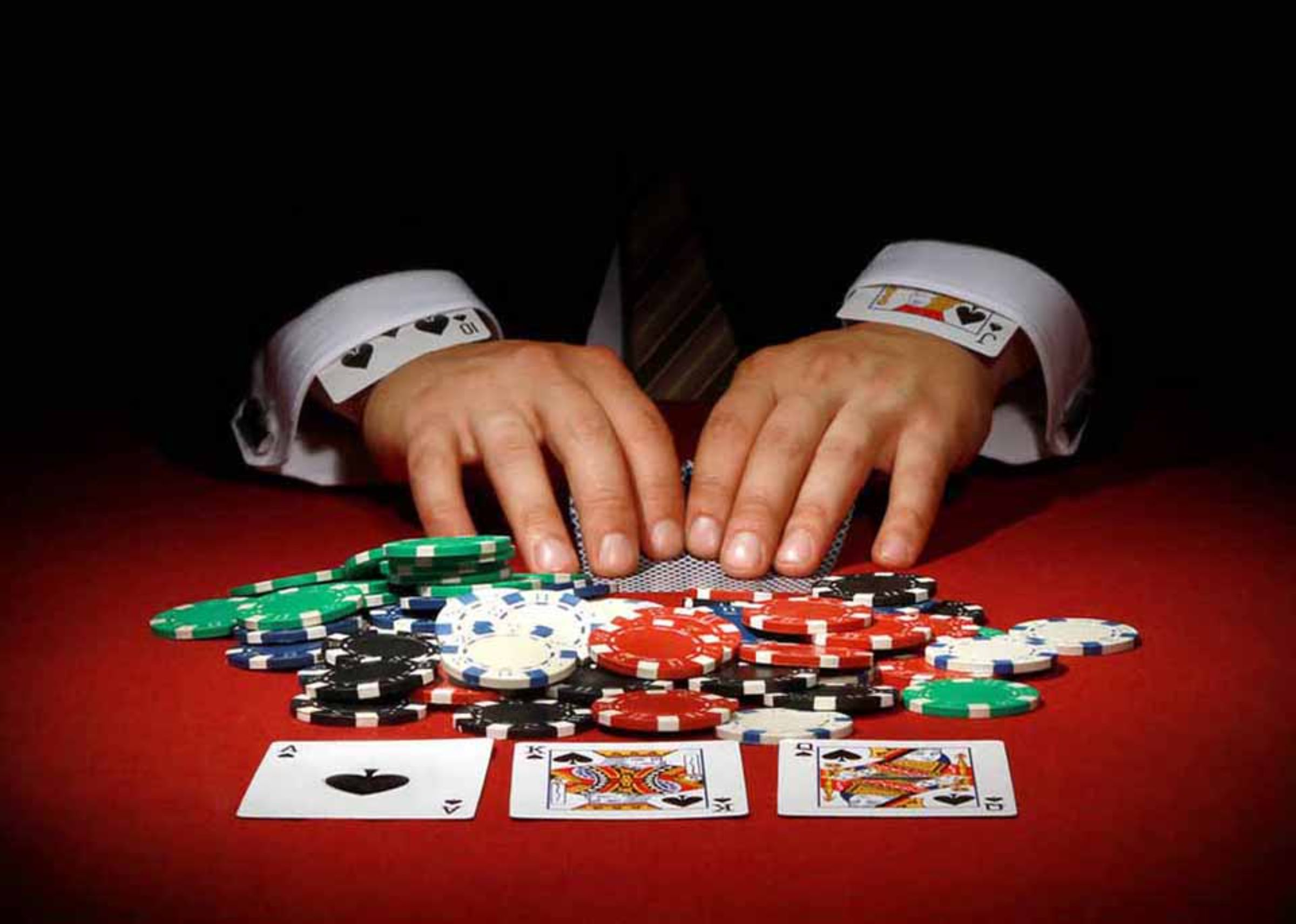
The allure of risk in gambling is compounded by the anticipation that comes with the act of wagering. Many players experience heightened emotional states, oscillating between hope and anxiety as they await the outcome. This cycle of anticipation creates an engaging experience that can captivate players, often leading them to take risks they might otherwise avoid in everyday life. The casino environment itself, designed to be visually stimulating and inviting, further enhances this excitement.
Moreover, many gamblers perceive risk-taking as a means of escaping daily life stresses. The casino provides a temporary retreat from reality, allowing individuals to immerse themselves in a world of chance and fantasy. This escape mechanism plays a significant role in why people are willing to engage in gambling activities, often disregarding the potential negative consequences. Thus, the intertwining of thrill and escapism propels individuals toward risk-taking in gambling settings.
The psychological mechanisms of decision-making
Understanding the psychology behind decision-making in gambling can shed light on why individuals take risks. Cognitive biases play a crucial role, with gamblers often falling prey to the illusion of control. This bias leads them to believe they have more influence over the outcome of random events, such as card games or slots, than they actually do. For instance, a player might feel confident that their strategy will significantly improve their chances of winning, which can propel them to take greater risks.
Another psychological factor influencing risk-taking is loss aversion. Research suggests that individuals experience the pain of losing more intensely than the pleasure of winning. This can cause gamblers to chase their losses, attempting to recover money lost by risking even more. This cycle can lead to escalating risk-taking behavior as players engage in larger bets in hopes of recouping their previous losses, ultimately resulting in potentially devastating financial consequences.
Additionally, the concept of variable reinforcement plays a role in how decisions are made in gambling environments. When individuals occasionally experience wins after a series of losses, they may be motivated to continue taking risks due to the unpredictable nature of rewards. This sporadic reinforcement strengthens the gambling behavior, leading to a cycle where players become increasingly willing to take risks despite the odds being stacked against them. Understanding these decision-making mechanisms is crucial for recognizing the psychological influences at play in gambling scenarios.
The role of social influences
Social factors also significantly impact risk-taking behaviors in gambling. Many individuals are influenced by the behaviors of those around them, often gravitating towards risky decisions when in a group setting. Casinos often create an atmosphere of camaraderie, where players cheer each other on, share stories of big wins, and partake in collective risk-taking. This communal environment can amplify the thrill of gambling, leading to heightened levels of risk-taking as players feed off each other’s enthusiasm.
Moreover, peer pressure can also play a role in encouraging individuals to take risks they might normally avoid. Social dynamics within gambling environments, such as a group of friends celebrating victories or sharing in the losses, can lead individuals to engage in behavior that aligns with the group’s expectations. This desire for social acceptance can overshadow rational decision-making, prompting players to take larger risks in the hope of fitting in or impressing others.
Furthermore, the presence of social comparison can enhance the perceived necessity of risk-taking. When individuals observe others winning large amounts, it can create a sense of urgency to take similar risks, even if the person is not inherently inclined to gamble. This comparison fosters a competitive mindset where players feel compelled to chase the allure of winning, often leading them to make impulsive decisions driven by a desire for recognition and success in the gambling realm.
The impact of casino design and marketing
The design of gambling environments is strategically crafted to encourage risk-taking behaviors. Casinos employ various tactics, including vibrant colors, engaging sounds, and enticing layouts, to create an atmosphere that promotes excitement and prolongs player engagement. These design elements work synergistically to stimulate players, drawing them into an immersive experience that makes it difficult to walk away from the gaming floor.
Marketing strategies also play a significant role in encouraging risk-taking. Promotions such as free spins, generous welcome bonuses, and loyalty programs are designed to entice players into taking risks they may not have considered otherwise. These incentives can distort perceptions of risk, making it seem more palatable when accompanied by the promise of rewards. Players may feel more inclined to gamble, believing that the potential rewards outweigh the risks, ultimately leading to increased gambling participation.
Moreover, the placement of high-stakes games and slot machines is often intentional, making them more accessible to players. This strategic positioning encourages individuals to engage with riskier betting options. By creating an environment that seamlessly blends entertainment with the thrill of chance, casinos effectively heighten the overall risk-taking behavior of their patrons, contributing to a cycle of gambling that can be difficult to break.
The experience at Dudespin Online Casino
Dudespin Online Casino exemplifies many of the psychological factors discussed, providing a captivating gambling environment for Canadian players. With a vast selection of games ranging from slots to live table games, the platform offers diverse options that cater to various preferences. The design of the casino is user-friendly and visually appealing, enhancing the overall gaming experience and encouraging players to engage further with the available options.
Players at Dudespin can benefit from a generous welcome package, which includes significant bonuses and free spins. This promotional strategy is aligned with the concept of variable reinforcement, enticing players to take risks by offering them a chance to maximize their playtime and winnings. The excitement generated by these incentives can lead to heightened risk-taking behaviors as players aim to capitalize on the rewards available to them.
Furthermore, Dudespin’s commitment to providing a secure and enjoyable gaming experience aligns with the need for players to feel safe while taking risks. With robust customer support and fast payouts, players can focus on their gaming without undue stress, facilitating a more immersive and engaging environment. Ultimately, Dudespin Online Casino encapsulates the thrilling dynamics of gambling psychology, making it a noteworthy option for those drawn to the thrill of risk-taking in gambling environments.