

Understanding gambling A cultural perspective across the globe
The Historical Context of Gambling
Gambling has a rich historical tapestry that spans thousands of years, making it an integral part of various cultures. Ancient civilizations, such as the Chinese, Egyptians, and Romans, engaged in games of chance as a form of entertainment and social interaction. Archaeological findings reveal that dice dating back to around 3000 BC were discovered in ancient Mesopotamia, indicating that the act of gambling was woven into the societal fabric long before modern regulations came into play. Today, you can find exhilarating options at places like mafia casino, showcasing the evolution of these age-old traditions.

As cultures evolved, so did their relationship with gambling. The Greeks, for instance, incorporated gambling into their mythology, with gods and goddesses often associated with luck and fortune. This cultural significance influenced social customs and laid the groundwork for various betting games that evolved into today’s casino games. In many societies, gambling was seen not just as a pastime but as a means to test fate and fortune, often accompanied by rituals and beliefs.
Today, gambling is still prevalent around the world, influenced by historical contexts. From the lottery in the United States to the numerous card games in Europe and Asia, cultural attitudes toward gambling can vary significantly, reflecting not only historical practices but also contemporary views on risk and luck. Understanding these historical frameworks helps us grasp the complexities surrounding modern gambling activities.
Cultural Attitudes Toward Gambling
Cultural perspectives on gambling differ widely, shaping the laws and social acceptance of gambling activities. In some cultures, gambling is celebrated as a form of entertainment, while in others, it may be viewed with suspicion or outright prohibition. For example, in many Western nations, casinos and sports betting are a common social activity, often accompanied by celebrations and community events, showcasing a liberal attitude toward risk-taking.
In contrast, countries such as Japan maintain a more reserved stance on gambling. While certain forms, like pachinko, are widely enjoyed, traditional gambling remains limited and is often associated with negative social implications. These cultural attitudes can stem from various factors, including religious beliefs, historical events, and economic conditions, which can significantly influence how gambling is regulated and perceived.
The impact of these cultural attitudes is evident in various gambling formats worldwide. For instance, countries with a more permissive attitude tend to experience booming gambling industries, generating substantial revenues and employment. Meanwhile, nations with restrictive policies often push gambling underground, leading to unregulated and potentially harmful practices. The diverse cultural landscape shapes the evolving narrative of gambling across the globe.
The Psychological Factors Behind Gambling
The psychology of gambling reveals the underlying motivations that drive individuals to partake in games of chance. One of the key psychological elements is the thrill of risk-taking, where players often experience a rush of adrenaline that can be both exhilarating and addictive. Many gamblers are drawn to the uncertainty and the potential for a life-changing win, which can overshadow the risks involved in gambling activities. Effective strategies for winning can often enhance this excitement.
Moreover, social factors play a crucial role in gambling behavior. In many cultures, gambling is seen as a communal activity that fosters social bonds and camaraderie. From family gatherings centered around card games to large gatherings at casinos, the social aspect often reinforces the enjoyment and allure of gambling. In this context, the act of gambling transcends mere financial gain, embedding itself deeply into social interactions and relationships.
The potential for psychological addiction also raises concerns surrounding gambling. The dopamine release triggered by wins can create a cycle of repeated play, leading individuals to chase losses in hopes of recouping their investments. Understanding the psychological factors at play is vital for promoting responsible gambling practices and creating awareness around the possible risks associated with excessive gambling.
The Impact of Technology on Global Gambling Culture
Technology has transformed the landscape of gambling, leading to new trends and practices that reflect contemporary cultural attitudes. The rise of online casinos and mobile betting platforms has made gambling more accessible than ever, allowing individuals to engage in gaming from the comfort of their own homes. This shift has not only expanded the reach of gambling but also introduced a younger audience to various games, altering traditional gaming dynamics.
Additionally, technological advancements have led to innovations in gaming experiences. Virtual reality, for instance, is beginning to reshape how players interact with gambling environments, offering immersive experiences that can heighten excitement. Social media also plays a role, with platforms allowing users to share their gambling experiences, thus influencing perceptions and fostering community discussions around gambling habits.
While technology offers numerous advantages, it also presents challenges, particularly regarding regulation and responsible gambling. The ease of access can lead to increased gambling-related harm, necessitating robust measures to protect consumers. As technology continues to advance, it will be crucial for societies to adapt and establish guidelines that balance innovation with safe gambling practices.
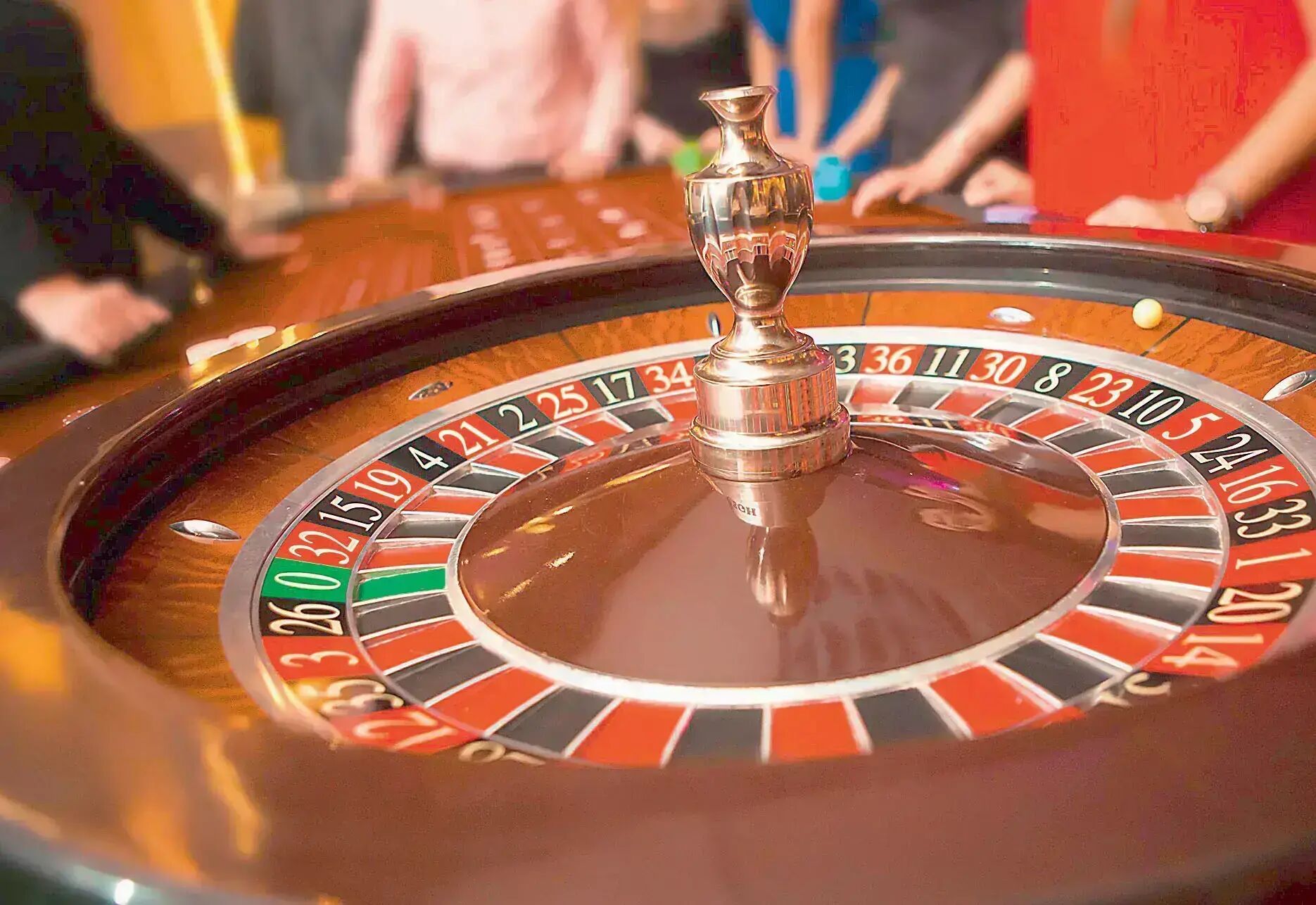
The Role of Mafia Casino in Modern Gambling
Mafia Casino stands out as a modern online gaming destination that exemplifies the evolving landscape of gambling. With a diverse range of slots and live games, it caters to a global audience eager for thrilling gaming experiences. The platform not only showcases popular games like “Gates of Olympus” and “The Dog House” but also prioritizes user engagement through generous welcome bonuses and promotions, highlighting a competitive edge in the online gambling market.
The design and functionality of Mafia Casino reflect a commitment to providing a seamless gaming experience. Players can enjoy the excitement of live dealer games, which bridge the gap between online gaming and traditional casino atmospheres. The emphasis on customer satisfaction extends to cashback opportunities for loyal players, fostering a sense of community and retention in an industry known for its high competition.
As the gambling world continues to adapt to changing cultural norms and technological advancements, platforms like Mafia Casino represent a blend of tradition and innovation. By understanding cultural perspectives on gambling, players can appreciate the diverse offerings available while engaging responsibly in their gaming endeavors. This cultural awareness enhances the overall experience, making gambling a multifaceted activity that resonates with various audiences across the globe.